Iran War & Ceasefire 2026: The Islamabad Accord, Hormuz Crisis & What Happens Next
Iran rejected the US-proposed 45-day ceasefire on April 6, 2026, demanding a permanent end to the war instead. Pakistan’s Islamabad Accord — a two-phase framework brokered overnight by Field Marshal Asim Munir — proposes an immediate halt to hostilities and reopening of the Strait of Hormuz, with a final deal in 15–20 days. Trump called the proposal “significant but not good enough” and set a new deadline of Tuesday, April 7 at 8 PM ET.
Iran at the Centre of the World’s Most Dangerous Crisis in 2026
Iran sits at the heart of a conflict that, within weeks, reshaped global energy markets, Middle Eastern geopolitics, and US foreign policy simultaneously. On February 28, 2026, the United States and Israel launched surprise airstrikes on Iran, assassinating Supreme Leader Ali Khamenei and triggering a war that has so far killed thousands, closed the Strait of Hormuz, and sent oil prices above $110 per barrel. However, a fragile diplomatic window now exists — and the world is watching Iran closely.
Moreover, the Iran ceasefire debate has accelerated over the past 48 hours, with Pakistan emerging as the most critical diplomatic actor. The so-called Islamabad Accord — a two-phase peace framework — reached both Washington and Tehran on April 6. Therefore, whether this accord succeeds or collapses in the next 24 hours may determine whether the conflict escalates into a catastrophic regional war.
This blog breaks down everything you need to know: how the Iran war started, who the mediators are, what the Islamabad Accord proposes, why Iran rejected the 45-day ceasefire, and what the closure of the Strait of Hormuz means for the global economy.
How the Iran War Began: A Timeline of Escalation
The 2026 Iran war did not emerge from a single event. Instead, it resulted from months of compounding crises. In January 2026, Iranian security forces killed thousands of protesters during the country’s largest civil uprising since the 1979 Islamic Revolution. Trump threatened military intervention if the crackdown continued. Moreover, he deployed two carrier strike groups — USS Abraham Lincoln and USS Gerald R. Ford — to the Middle East.
The situation escalated further on February 28, 2026, when a joint US-Israeli operation struck sites across Iran. Supreme Leader Ali Khamenei died in the attack. Iran’s defence minister, IRGC commander, and multiple senior intelligence officials were also killed. Iran responded with missile and drone strikes on Israel, US bases, and US-allied Gulf states — and, critically, closed the Strait of Hormuz.
Mass Protests & Crackdown
Iranian forces kill 3,000–32,000 protesters. Trump threatens military action.
War Begins
US-Israel launch surprise airstrikes. Khamenei assassinated. Hormuz closed.
Escalation Across Region
South Pars gas field struck. Lebanon invaded. Iran targets Gulf energy infrastructure.
Ceasefire Talks Begin
Pakistan’s Islamabad Accord delivered to US and Iran. Iran rejects 45-day ceasefire proposal.
Trump’s Final Deadline
Iran must reopen Hormuz by 8 PM ET or face strikes on energy and transport infrastructure.
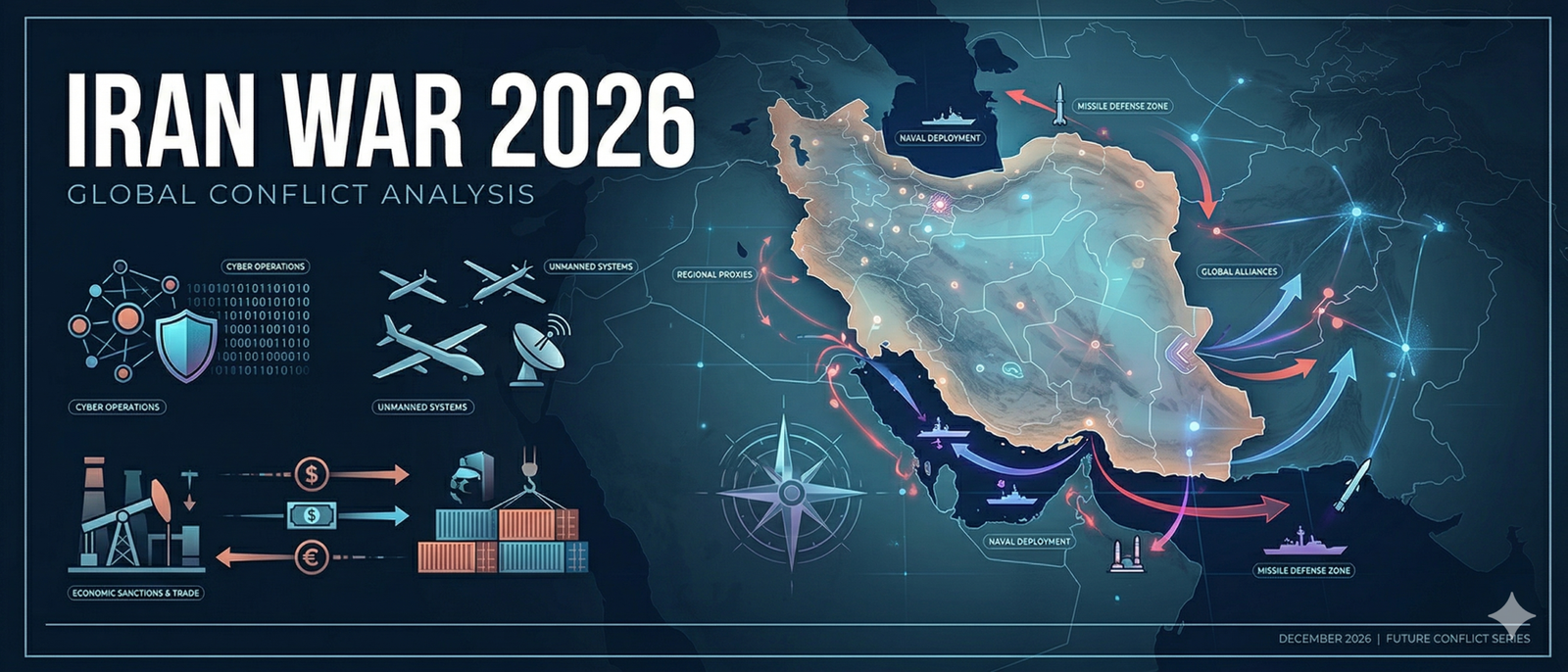
Iran War & Ceasefire 2026 Plan – The Islamabad Accord
The Islamabad Accord is the most concrete Iran ceasefire framework to emerge since the war began. Pakistan’s Field Marshal Asim Munir spent the night of April 5–6 in continuous contact with US Vice President JD Vance, Special Envoy Steve Witkoff, and Iranian Foreign Minister Abbas Araghchi. The result was a two-phase blueprint shared simultaneously with Washington and Tehran.
Ceasefire & Hormuz Reopening
- Immediate halt to all hostilities
- Reopening of the Strait of Hormuz
- Memorandum of Understanding finalized electronically via Pakistan
- Pakistan serves as the sole communication channel
Comprehensive Peace Settlement
- Iran commits to abandoning nuclear weapons pursuit
- Sanctions relief and release of frozen Iranian assets
- Regional framework governing the Strait of Hormuz
- Final in-person talks held in Islamabad, Pakistan
However, significant uncertainty remains. Iran refused to commit to the proposal as of April 6, telling Reuters that it would not reopen the strait under a temporary ceasefire alone. Furthermore, Washington has not formally endorsed the Islamabad Accord either, with the White House confirming it is “one of many ideas” under discussion. Therefore, both parties are simultaneously negotiating and fighting.
“All elements need to be agreed today. Pakistan is the sole communication channel in the talks.” — Source familiar with the Islamabad Accord proposals, via Reuters, April 6, 2026
Why Pakistan? The Diplomatic Logic Behind the Islamabad Accord
Pakistan maintains functioning diplomatic relations with both the United States and Iran, which makes it uniquely positioned to broker the Iran ceasefire. Pakistan and Iran share a 900-kilometre border, and Islamabad has consistently avoided condemning Iran’s actions in the current war. Moreover, Pakistan’s army chief has existing communication lines with senior US officials from CENTO-era defence frameworks.
Al Jazeera’s correspondent noted that Pakistan describes the effort as “frantic diplomacy,” facing what one official called “a schoolboy brawl” driven by ego and deep mistrust. Nevertheless, Islamabad has pushed forward, engaging Iran’s clergy, military commanders, and diplomats simultaneously.
Strait of Hormuz: Why This Iran Crisis Threatens the Whole World
The Strait of Hormuz is a narrow waterway connecting the Persian Gulf to the Gulf of Oman. Roughly one-fifth of the world’s oil and natural gas passes through it daily. Iran closed the strait on February 28, 2026, the same day the war began, sending Brent crude futures past $108 per barrel and triggering emergency energy consultations across Europe and Asia.
Iran’s Position on the Strait of Hormuz (Iran War & Ceasefire 2026)
Iran insists the strait is technically open — but only to vessels that are not affiliated with the US, Israel, or countries perceived as supporting them. The IRGC navy stated that conditions in the Strait of Hormuz “will never return to what they were before the war, especially for the US and Israel.” Moreover, Iran’s parliament passed a bill formalizing toll collection on vessels transiting the waterway — effectively asserting financial sovereignty over a global shipping lane.
Trump demanded Iran reopen the Strait unconditionally by April 7 at 8 PM ET, threatening to bomb bridges and power plants if it does not comply. Legal experts note that targeting civilian infrastructure constitutes a potential war crime under the Geneva Conventions.
Global Economic Impact of the Iran Hormuz Closure
The Strait closure has disrupted energy supplies across Europe, Asia, and the Americas. Oil prices above $110 per barrel, sustained since late February, increase costs for airlines, logistics companies, and consumers. The UAE’s presidential adviser Anwar Gargash warned that any settlement failing to guarantee Hormuz access would leave the region “more dangerous and more volatile.”
Iran War & Ceasefire 2026 – Iran’s Demands vs US Positions
Iran has consistently rejected the 45-day ceasefire framework because a temporary pause, in Tehran’s view, simply allows the US and Israel to regroup and rearm. Therefore, Iran demands a permanent end to the war — not just a pause. The following table outlines the key positions of each side.
| Issue | Iran’s Position | US/Israel Position | Status |
|---|---|---|---|
| Type of Ceasefire | Permanent end to war | 45-day temporary ceasefire | Disputed |
| Strait of Hormuz | Will not reopen under temporary deal | Must reopen immediately | Disputed |
| Sanctions | Full lifting required | Conditional on nuclear commitment | Negotiating |
| Nuclear Programme | Not a precondition for ceasefire | Iran must halt enrichment, remove uranium | US Demand |
| Frozen Assets | Must be released | Part of a final deal | Iran Demand |
| Guarantees Against Re-attack | Required from US & Israel | Not offered | Iran Demand |
| Reparations | Full financial reparations required | Rejected | Iran Demand |
Iran’s 10-Point Response Through Pakistan (Iran War & Ceasefire 2026)
Iran delivered an official 10-point response to the US via Pakistan on April 6, according to Iran’s state news agency IRNA. The response includes a protocol for safe passage through the Strait of Hormuz, full reconstruction support, sanctions relief, and guarantees against future military attacks. However, Iran did not accept any deadlines and described Trump’s ultimatum style of diplomacy as “incompatible with negotiation.”
US-Iran War News: What Is Happening on the Ground Right Now
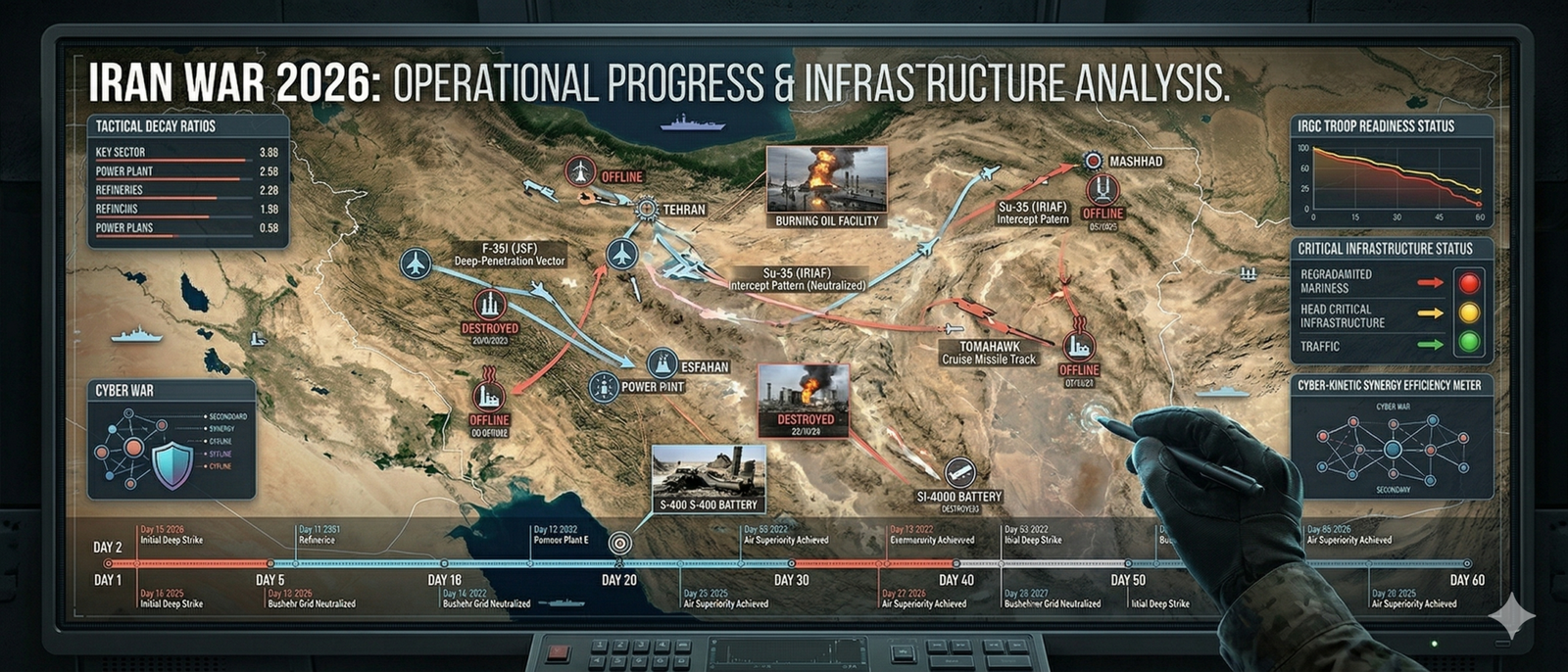
Despite diplomatic activity, the Iran war continues at a high intensity. US and Israeli airstrikes struck multiple Iranian cities overnight into April 7, including areas near Azadi Square in Tehran and the Sharif University of Technology campus. Meanwhile, Iran struck a US amphibious assault ship, the LHA7, forcing it to retreat toward the southern Indian Ocean, according to IRGC state media.
Key Military Developments in the Iran War
The conflict escalated rapidly when Israel struck South Pars—the world’s largest gas field, shared with Qatar—cutting off the petrochemical complex’s power supply. Furthermore, a targeted Israeli airstrike killed IRGC intelligence chief Maj. Gen. Majid Khademi on April 7. Meanwhile, the IAEA confirmed strikes near Iran’s Bushehr nuclear power plant, although the facility itself sustained no damage. Complicating matters further, two US F-15 aviators were shot down over Iran; however, one crew member was later rescued in a dramatic operation.
However, Trump privately told Axios the US is “in deep negotiations” and a deal could be reached before the deadline. He extended his original 48-hour ultimatum by 20 hours on Sunday, setting a new cutoff of Tuesday, April 7 at 8 PM ET — the moment the world watches most closely.
Iran War and Lebanon: A Wider Regional Conflict
The Iran war has spilled beyond its borders. Israel authorized a ground invasion of Lebanon on March 3, 2026, establishing what it called a “security layer” against Hezbollah. Lebanese authorities report over 1,461 deaths, including at least 124 children. Moreover, Iran conditions any ceasefire deal on an end to hostilities in Lebanon, making the Lebanon question inseparable from the broader Iran ceasefire framework.
Iran War & Ceasefire 2026 – What Major Outlets Report on Iran
Major international outlets provide distinct angles on the Iran conflict. Reuters, which serves as the primary source for the Islamabad Accord reporting, confirmed on April 6 that Pakistan shared the ceasefire framework with both sides. Reuters also cited senior Iranian officials stating that Tehran would not reopen the Strait as part of any temporary deal. Furthermore, Reuters reported that oil markets responded cautiously, with Brent crude dipping 36 cents to $108.67 per barrel as traders assessed ceasefire odds.
CNN’s live coverage highlighted that Israel has prepared an updated target list of Iranian energy infrastructure — airports, bridges, and power plants — ready to deploy if US diplomacy fails. According to CNN’s sources, Israel remains “highly skeptical” any deal with Iran is achievable. Moreover, CNN confirmed that Prime Minister Netanyahu communicated directly with Trump, emphasizing that any Iran ceasefire must require Tehran to surrender its enriched uranium stockpile.
NPR reported that Egypt told them Iran is theoretically open to the 45-day ceasefire — but only if it guarantees a permanent end to the war afterward. This distinction, moreover, represents the central sticking point. Therefore, the gap between a “temporary pause” and a “permanent settlement guarantee” is precisely where the Iran ceasefire negotiations are stuck.
Iran War & Ceasefire: Frequently Asked Questions
Iran War: Background & Origins
What started the 2026 Iran war?
The Iran war began on February 28, 2026, when the US and Israel launched surprise airstrikes that killed Supreme Leader Ali Khamenei and multiple senior Iranian officials. The strikes followed months of escalation, including Iran’s violent crackdown on mass protests in January 2026 that killed thousands of civilians.
Who is the new Supreme Leader of Iran after Khamenei’s death?
Mojtaba Khamenei, the son of the late Ali Khamenei, has emerged as the new Supreme Leader of Iran. He issued a statement saying Iran’s forces would not be deterred by the assassination of commanders, and he has not appeared in public since succeeding his father following the February 28 strikes.
How many people have died in the Iran war so far?
Iranian authorities report over 2,000 deaths since the war began. However, figures vary significantly by source. The Iranian Health Ministry reported 481 hospitalizations and 28,918 outpatient treatments as of early April 2026. Independent verification of casualties inside Iran remains difficult due to internet restrictions.
Is Iran’s internet blocked during the war?
Yes. Iran experienced a “near total” internet blackout after the war began, with connectivity dropping to 4% of normal levels, according to NetBlocks. The blackout exceeded 240 hours — the second longest in Iranian history. The government distributed “white SIM cards” to supporters to bypass filters and promote state messaging.
Iran War & Ceasefire 2026, Islamabad Accord & Pakistan’s Role
What is the Islamabad Accord and will it work?
The Islamabad Accord is a two-phase Iran ceasefire framework proposed by Pakistan. Phase one calls for an immediate halt to fighting and reopening of the Strait of Hormuz. Phase two involves 15–20 days of negotiations toward a permanent deal. However, Iran has not formally accepted it, and the US has not signed off either, making its success uncertain.
Why did Iran reject the 45-day ceasefire proposal?
Iran rejected the 45-day ceasefire because it sees any temporary pause as giving the US and Israel time to regroup militarily. Moreover, Iran demands guarantees that neither the US nor Israel will attack again — something Washington has not offered. Iran’s position is that it will only accept a permanent end to the war, not a temporary truce.
What role does Pakistan play in the Iran ceasefire talks?
Pakistan serves as the sole direct communication channel between Washington and Tehran. Field Marshal Asim Munir coordinated overnight talks with US Vice President JD Vance, Special Envoy Steve Witkoff, and Iran’s Foreign Minister Abbas Araghchi. Pakistan, Egypt, and Turkey are the three main mediating nations in the Iran war diplomacy.
What does Trump think of the Iran ceasefire proposal?
Trump called the latest ceasefire proposal “significant but not good enough” at the White House Easter Egg Roll on April 6. He also warned that only he can authorize a ceasefire, and set a firm deadline of April 7 at 8 PM ET for Iran to reopen the Strait of Hormuz or face massive strikes on Iranian energy and civilian infrastructure.
Strait of Hormuz, Oil Prices & Global Impact
Why is the Strait of Hormuz so important to the Iran war?
The Strait of Hormuz carries roughly one-fifth of the world’s oil and natural gas supply. Iran closed it when the war began, causing global oil prices to spike above $110 per barrel. Any deal to reopen Hormuz is therefore central to both the Iran ceasefire talks and the global economic recovery from the war’s disruptions.
Is Iran charging tolls in the Strait of Hormuz?
Yes. Iran’s parliament passed a bill formalizing toll collection on vessels transiting the Strait of Hormuz. Iran selectively allows passage to ships from China and others willing to pay, while blocking US, Israeli, and allied vessels. Trump responded by asking “What about us charging tolls?” — signaling he sees Iran’s toll system as a negotiating point.
How has the Iran war affected global oil prices?
Oil prices surged sharply after the Iran war began and Hormuz closed. Brent crude traded above $108–$110 per barrel in early April 2026, compared to pre-war levels. Traders watch every diplomatic development closely. Prices dipped slightly on April 6 when ceasefire talks emerged, demonstrating how sensitive energy markets are to Iran news.
What happens if Trump bombs Iran’s infrastructure?
Legal experts warn that bombing Iran’s power plants and bridges — civilian infrastructure — would constitute war crimes under the Geneva Conventions. Iran has threatened devastating retaliation, including strikes on US allies in the Gulf. Additionally, the UAE and Gulf Cooperation Council have urged a UN Security Council resolution to protect Hormuz access.
Iran War & Ceasefire 2026 – Sources & Further Reading
Stay Ahead of the Iran Story
Sky Oasis Digital delivers expert-level analysis on geopolitics, digital strategy, and global affairs. Visit skyoasisdigital.com for more in-depth coverage.